Doll House 3D SVG Shapes Review
As a graphic designer who has spent the last decade refining brand identities and creating tangible marketing materials for small businesses, I approach every new graphic design asset with a critical eye. It is not enough for a file to look cute in a thumbnail; it must perform under the pressure of real-world application. Recently, I integrated the Doll House - 3d Papercraft into a project for a boutique client specializing in handmade goods, and the results offered valuable insights into how this specific digital product functions within a professional workflow.
First Impressions: Mood and Aesthetic Potential
The initial visual impact of the Doll House - 3d Papercraft is one of nostalgic charm mixed with structural precision. The design evokes a sense of warmth and creativity, making it an ideal candidate for projects targeting families, children, or artisanal markets. When I first opened the files, I was looking for clean lines and logical layering, which are essential for any serious creative design work. The asset delivers a distinct paper-craft aesthetic that feels tactile and organic, a quality that is increasingly sought after in an era dominated by flat, digital minimalism.
This particular set of Shapes does not just serve as a decorative element; it acts as a narrative device. For a client launching a new line of eco-friendly toys or a local community event centered around family engagement, this asset immediately establishes a welcoming and playful tone. It bridges the gap between digital precision and handmade authenticity, which is crucial for building trust with audiences who value craftsmanship.
Performance in Real Client Projects
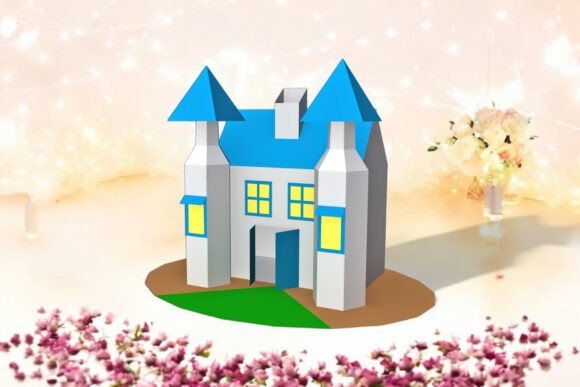
In practical application, the versatility of this 3D SVG file became apparent. I tested it across various mediums to determine its viability for different deliverables. For packaging design, the intricate details of the doll house structure added a premium feel to the box labels. When scaled correctly, the lines remained crisp, ensuring that the brand identity looked polished rather than amateurish.
I also utilized the asset for social media graphics intended for Instagram and Pinterest. The vertical orientation of the assembled size (25 x 35 x 27 cms in physical form) translates well to portrait-oriented digital posts. By isolating specific elements of the house, I created engaging clipart components for carousel posts that explained the client’s production process. This approach enhanced audience engagement, as the visual story was both clear and aesthetically pleasing.
For those involved in print-on-demand or running an Etsy product shop, this asset is a strong contender for sublimation design on tote bags and mugs. However, it requires careful handling. The complexity of the paper-fold lines means that it works best on larger surface areas where the details can be appreciated. On smaller items like stickers or keychains, simplifying the design or increasing the line weight is necessary to maintain visual clarity.
Strategic Placement and Visual Hierarchy
Understanding where to place this asset is key to maintaining a strong visual hierarchy. The Doll House - 3d Papercraft shines as a hero graphic or a central focal point in marketing visuals. It draws the eye effectively due to its dimensional illusion. I found it particularly effective in editorial design for blog headers and magazine spreads where whitespace is abundant. The asset breathes in these open layouts, allowing the viewer to appreciate the intricacy of the illustration.
However, designers must exercise caution when using this asset in crowded layouts. Placing it against complex backgrounds or alongside heavy text blocks can diminish its impact and create visual noise. It is not suitable for minimalist corporate branding where clean, sans-serif typography and abstract logos dominate. Instead, it thrives in environments that celebrate detail and texture, such as wedding invitations, birthday party printables, and boutique product mockups.
Technical Considerations for Designers
From a technical standpoint, the file formats provided—PDF, DXF, EPS, PNG, and JPG—cover most standard workflows. For users of cutting machines like Cricut or Silhouette, the DXF and SVG capabilities are essential. The Cricut project potential here is significant, but it requires patience. The assembling time is estimated at two hours, which is a realistic expectation for a detailed papercraft model. This is not a quick-cut sticker; it is a project in itself.
Before committing to a client deliverable, I always recommend testing the asset in black and white. This reveals whether the contrast is sufficient for single-color printing, which is common in cost-effective commercial design runs. Additionally, checking the PNG transparency is vital if you plan to overlay the house on colored backgrounds in tools like Canva. A clean edge ensures that the Canva template looks professional and not like a rough cutout.
Typography pairing is another critical factor. This design bundle pairs exceptionally well with handwritten fonts or soft serif fonts that complement its organic feel. Avoid harsh, geometric display fonts that might clash with the delicate nature of the paper folds. The goal is to create a cohesive look where the text and the image support each other, enhancing the overall emotional appeal of the design.
Licensing and Commercial Viability
For freelancers and agency owners, confirming the commercial license status is non-negotiable. Using assets like Doll House - 3d Papercraft for client work requires absolute certainty regarding usage rights. Whether you are creating logo design concepts, web design elements, or physical printable design products, ensuring that the license covers commercial use protects both you and your client from legal issues.
This asset is particularly valuable for small business branding in the creative marketplace. It offers a unique visual language that stands out from generic stock imagery. By incorporating such specific, high-quality design assets, designers can elevate their clients' perceived value, making their offerings appear more thoughtful and curated.
Final Verdict for Professional Use
In conclusion, the Doll House - 3d Papercraft is a robust addition to a designer’s toolkit, provided it is used with intention. It is not a one-size-fits-all solution but a specialized tool for projects requiring warmth, nostalgia, and tactile appeal. Its strength lies in its ability to transform digital files into tangible, engaging experiences, whether through physical assembly or high-quality print outputs.
For designers working with handmade business clients, educational brands, or lifestyle bloggers, this SVG design offers a compelling way to enhance brand consistency and visual storytelling. Just remember to respect its complexity, allow adequate time for assembly or detailed printing, and always prioritize readability and contrast in your final compositions. When handled with professional care, this asset can significantly boost the aesthetic quality and emotional resonance of your design projects.