Review: Halloween Spider Pumpkin Candy Dome SVG
As a designer who has spent years digitizing and testing machine embroidery designs, I approach every new file with a mix of curiosity and skepticism. We have all been there: you download a cute digital embroidery file, load it onto your machine, and hope for the best, only to find puckered fabric or thread breaks halfway through. That is why I took a close look at the Halloween Spider Pumpkin Candy Dome SVG before committing it to any client work or personal embroidery project. This isn’t just about whether the design looks good on screen; it is about how it performs in the real world of hoops, needles, and thread.
First Impressions and Design Personality
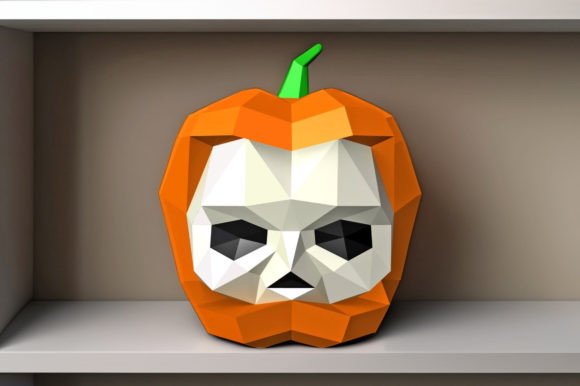
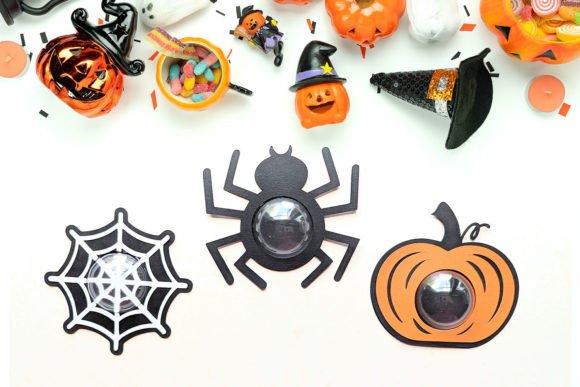
The first thing that strikes me about this trio is its playful yet spooky aesthetic. It captures that sweet spot of Halloween decor that appeals to families and boutique shoppers alike. The inclusion of a spider, a pumpkin, and a spider web creates a cohesive narrative rather than just random icons. For those of us creating handmade products, visual storytelling is key. This design feels like it belongs on items meant to be touched and enjoyed, not just looked at from a distance.
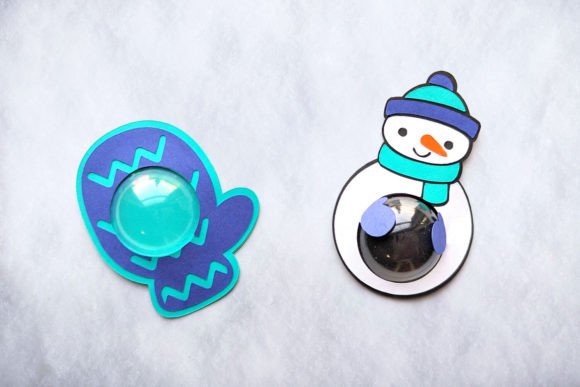
The layout suggests versatility. While the product description mentions it is intended for a plastic dome filled with candy or glitter—placing it firmly in the realm of Gift Boxes and 3D SVG crafts—I immediately started thinking about how these elements would translate to flat surfaces. The shapes are bold enough to read clearly from a few feet away, which is crucial for apparel and home decor. However, the "adorable" nature of the design means it avoids being too terrifying, making it safe for baby items and general holiday gifts.
Real-World Application: Beyond the Dome
Let’s talk about practical use. Yes, this design is structured for a 3D candy dome, but as an experienced reviewer, I see potential far beyond that single application. Imagine using the pumpkin element as a central motif on a tote bag design. The rounded shape of the pumpkin lends itself well to a fill stitch approach, providing a solid, textured look that holds up against daily use. Alternatively, the spider could serve as a quirky accent on the pocket of a denim jacket or a sweatshirt embroidery project.
I recently worked on a custom order for a local craft fair vendor who needed unique holiday embroidery ideas. She was struggling to find designs that weren’t overly generic. If I were to recommend this file to her, I would suggest separating the elements. The spider web, for instance, could be stunning as a subtle corner detail on a set of kitchen tea towels. Using a fine running stitch for the web lines would create a delicate, lace-like effect that contrasts beautifully with the bolder pumpkin. This kind of adaptability is what separates a good embroidery file from a great one.
For Etsy sellers and small shop product creators, this design offers multiple revenue streams. You aren’t just selling one item; you are selling a theme. You could create a matching set: a pumpkin pillow cover, a spider-adorned cap, and a web-patterned apron. This consistency helps build brand recognition and encourages customers to buy multiple items. It transforms a simple personalized gift into a curated collection.
Technical Considerations for Stitching
Now, let’s get into the nitty-gritty of stitching. When evaluating any design, especially one with varied elements like spiders and webs, I always check for potential pitfalls. The spider web is the most technically challenging part of this trio. Webs consist of many thin, intersecting lines. If the stitch density is too high, you risk creating a stiff, cardboard-like patch that ruins the drape of the fabric. If it is too low, the threads may snag or look sparse.
I strongly advise testing this design on scrap fabric first. Pay close attention to the stabilizer you choose. For a design with fine details like a web, a cut-away stabilizer is often safer than tear-away, especially if you are working on stretchy fabrics like jersey knits for baby embroidery or t-shirts. The stability ensures that those delicate web lines remain crisp and do not distort after washing.
Thread color contrast is another critical factor. A black spider on black fabric will disappear unless you use texture or sheen to your advantage. Conversely, a bright orange pumpkin on a dark navy sweatshirt will pop beautifully. I recommend creating printable mockups in both light and dark variations before you stitch a single thread. This helps you visualize the final finished product and manage customer expectations. If you are selling custom apparel, showing clients how the design looks on different background colors can prevent disputes later.
Fabric and Hoop Constraints
While this design is versatile, it is not universal. You need to be careful with very thin or slippery fabrics. Silk or lightweight rayon might pucker under the weight of a dense pumpkin fill. In such cases, consider scaling down the design or using an applique design technique where the pumpkin shape is cut from fabric and stitched down, reducing the amount of thread buildup. This also adds a nice tactile dimension to the piece.
Curved surfaces present another challenge. If you plan to put the spider on a cap or hat, remember that the curvature can distort circular shapes. The pumpkin, being round, might look oval if not centered perfectly. Always hoop your garment properly and use the right hoop size to ensure the design sits flat during stitching. For smaller hoop sizes, you might need to isolate just the spider or just the pumpkin, rather than trying to fit the entire trio, which could compromise the clarity of the details.
Commercial Viability and Brand Trust
For commercial embroidery professionals, the quality of your design assets directly impacts your reputation. A clean, well-digitized file reduces machine downtime and thread breaks, which saves you money and time. When customers receive a handmade product that looks professional—with no loose threads, proper tension, and clear details—they trust your brand more. This trust leads to repeat business and positive reviews.
Before listing any items made with this Halloween Spider Pumpkin Candy Dome SVG, confirm the licensing terms. Most digital files come with specific rules regarding craft business usage. Ensure you are compliant whether you are selling physical goods or using the image for printable mockup previews on your online store. Transparency with your customers about the handmade nature of your items adds value and justifies premium pricing.
Final Verdict
In summary, this design trio offers a charming and flexible option for your autumn toolkit. It shines when used thoughtfully, with attention to fabric choice and stitch settings. Whether you are creating a whimsical embroidered patch, a cozy holiday blanket, or a unique gift box topper, the key is in the execution. Test your tensions, choose your stabilizers wisely, and let the playful spirit of the design guide your creativity. With the right approach, this file can become a staple in your seasonal offerings, delighting customers and enhancing your portfolio.