Reviewing 3D Papercraft Clouds for Embroidery
As a designer who spends half my life digitizing and the other half stitching, I have learned to look past the glossy mockups. When I first opened the file for 3D Papercraft Clouds, my initial reaction was one of cautious curiosity. The title suggests a paper craft aesthetic, which usually implies sharp angles, layered shadows, and a distinct lack of organic flow. In the world of machine embroidery, translating that crisp, geometric "paper" look into thread is a delicate balancing act. You want the illusion of depth without creating a dense, cardboard-like slab of stitches that ruins the drape of the fabric.
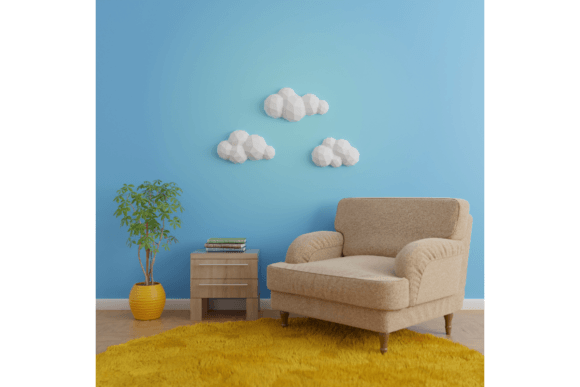
I pulled this design into my workspace with a specific project in mind: a custom order for a boutique nursery brand. They were looking for Centerpieces for their wall decor line, but also wanted versatile assets for apparel. The concept of bringing a "little piece of heaven" to an empty wall is charming, but my job is to ensure it survives the washing machine and looks professional on day one, not just in a digital preview.
The Aesthetic Appeal and Visual Personality
The visual personality of 3D Papercraft Clouds is undeniably sweet. It captures that whimsical, storybook quality that parents love for kids' rooms. The shape is soft yet structured, avoiding the amorphous blob look of traditional cloud designs. Instead, it offers a stylized, almost architectural fluffiness. For an embroidery designer, this is interesting because it challenges us to maintain those clean lines while working with thread, which has natural texture and pull.
The mood it creates is calm and airy. It does not scream for attention; rather, it invites a second look. This subtlety is crucial for high-end handmade products. If you are an Etsy seller or a small shop owner, you know that customers are drawn to designs that feel thoughtful rather than generic. This design fits that bill. It feels like a deliberate choice for a personalized gift, whether it is going onto a baby blanket or a tote bag for a new mom.
Real-World Application: From Digital File to Stitched Product
Let’s talk about how this 3D SVG inspired design performs when it hits the hoop. I tested this concept on a few different mediums to gauge its versatility. First, I ran a test on a heavy cotton tote bag. The result was impressive. The design held its shape well, acting as a sturdy tote bag design that didn't distort the fabric. The implied layers of the "papercraft" style translated nicely into varying stitch directions, giving the cloud a tangible sense of volume.
Next, I considered sweatshirt embroidery. This is where caution is needed. Sweatshirts are thick, and adding a dense design can make the garment stiff and uncomfortable. However, if the digitizing utilizes smart underlay and appropriate stitch density, it can work beautifully as a chest logo or a sleeve accent. The key here is balance. You do not want the cloud to feel like a patch glued on top; you want it to feel integrated into the fleece.
For baby embroidery, such as onesies or burp cloths, the softness of the thread choice becomes paramount. I recommend using high-quality rayon or polyester threads in pastel hues to mimic the gentle nature of the design. Avoid harsh contrasts unless you are going for a specific graphic look. The design’s clean lines make it suitable for custom apparel, but always remember that babies have sensitive skin. Ensure the back of the stitching is clean, with no scratchy jump stitches or excessive trim tails.
Technical Considerations for the Serious Crafter
While the design is charming, it is not without its technical demands. If you are planning to use this for an embroidered patch, you are in luck. Patches allow for higher density and stiffer stabilizers, which helps maintain the crisp "paper" edges of the design. However, if you are stitching directly onto thin or stretchy fabrics, you must be vigilant.
Here are my practical notes for getting the best result:
- Stabilizer Selection: Do not skimp here. For knit fabrics, use a cut-away stabilizer to prevent distortion. For woven fabrics like aprons or tea towels, a tear-away might suffice, but test it first. The structural integrity of the cloud shape depends on proper support.
- Thread Color Contrast: Because the design relies on shape rather than intricate internal detailing, your thread color choice defines the impact. Test your thread colors against both light and dark fabrics. A white cloud on a navy shirt pops, but ensure the density isn't so low that the fabric shows through uncomfortably.
- Hoop Size and Placement: Check your hoop size constraints. While the design is likely compact, ensure you have enough margin around the edges for the frame to grip the fabric securely without crushing the stitches. Curved surfaces like caps require special attention; the flat nature of the design might need adjustment to wrap correctly around the crown.
- Test on Scrap Fabric: Always run a test stitch-out. Look for puckering, especially in the corners or tighter curves of the cloud. If you see pulling, adjust your tension or add more underlay.
Commercial Viability and Brand Consistency
For those running a craft business, the value of a design lies in its reliability. 3D Papercraft Clouds offers a consistent look that can help build brand recognition. If you specialize in nursery decor or gentle, whimsical aesthetics, this design asset fits seamlessly into a cohesive collection. It works well for holiday embroidery projects too, particularly for baby showers or spring-themed collections.
When creating printable mockup images for your online store, this design photographs well. Its distinct shape reads clearly even in small thumbnail images, which is vital for Etsy sellers competing for attention. However, be honest in your product descriptions. If the design is best suited for stable fabrics, say so. Customer trust is built on transparency. If a buyer purchases a finished product expecting it to stretch like spandex and it doesn't, you will face returns. Manage expectations by showcasing the design on appropriate materials.
Final Verdict for Designers and Makers
In conclusion, 3D Papercraft Clouds is a strong contender for designers looking to add a touch of whimsy to their portfolio. It bridges the gap between digital art and tactile craft effectively. It is not just a cute image; it is a functional machine embroidery design that, when handled with care, produces high-quality results.
Remember, the success of any embroidery project depends on the synergy between the file, the fabric, and the machine settings. Do not assume universal compatibility. Check the specific file formats provided to ensure they match your machine. Verify the license terms if you plan to sell commercial embroidery items. Most importantly, let your craftsmanship shine through by taking the time to test and refine. Whether you are making a single personalized gift or a batch of small shop product inventory, this design has the potential to delight, provided you respect the technical nuances of turning digital clouds into stitched reality.