Spooky Eyes Gable Box Template Review
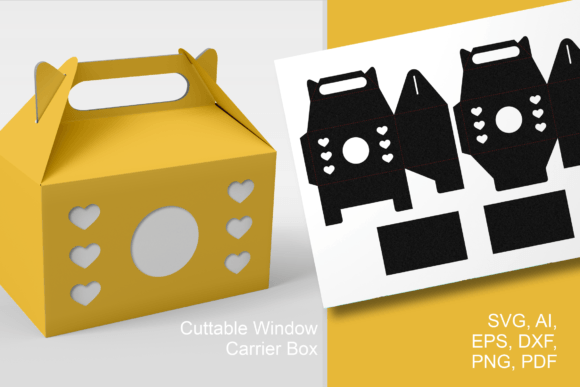
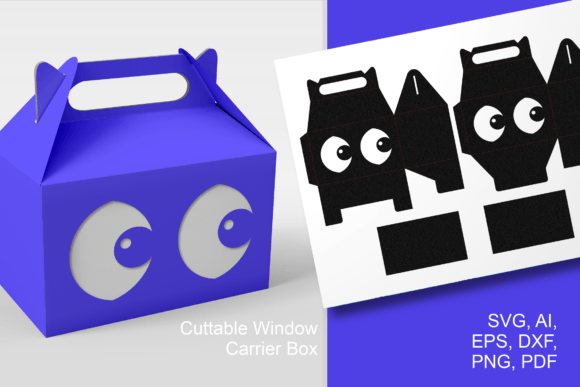
As a designer who spends half my life staring at digitized files and the other half wrestling with thread tension, I have learned to look past the glossy preview images. We all know that what looks crisp on a screen does not always translate cleanly to fabric or paper. When I first opened the Spooky Eyes Gable Box Template, my initial reaction was one of cautious curiosity. This is not your standard flat embroidery pattern; it is a structural asset designed for three-dimensional creation. The concept of a “Spooky Eyes” gable favor box with decorative see-through windows immediately sparked ideas for seasonal packaging, but as a reviewer, I needed to determine if this 3D SVG file holds up under the scrutiny of real-world production.
First Impressions and Visual Personality
The mood this template creates is playful rather than terrifying. It leans into the whimsical side of Halloween, making it versatile for a broader audience than just horror enthusiasts. The layout features bold, graphic eyes that serve as the primary visual anchor. For an embroidery designer, this simplicity is a double-edged sword. On one hand, bold shapes are easier to stitch cleanly. On the other, they leave little room for error in alignment. The “see-through windows” mentioned in the description suggest a paper-cut aesthetic, which implies precision. If you are adapting this concept for a machine embroidery design on fabric, you must consider how those negative spaces will behave. Will they be cut out? Will they be filled with a contrasting mesh? The visual personality is strong, but it demands respect for its geometric integrity.
Real-World Application: Beyond the Box
While the product description specifies a gable box for candies and party favors, my mind immediately went to textile applications. Imagine using the “Spooky Eyes” motif not for a paper box, but as a central element on a tote bag design. The bold eyes would pop against a canvas background, especially if rendered in high-contrast thread colors like neon green on black. I recently worked on a custom order for a boutique client who wanted unique holiday embroidery for their October lineup. A design like this could easily be adapted into an embroidered patch or directly stitched onto a sweatshirt embroidery project.
Consider the Shapes category this falls under. Geometric and organic shapes behave differently under the needle. The curves of the eyes need smooth satin stitch borders to prevent fraying, while the interior might benefit from a light fill stitch to add texture without adding bulk. If you are an Etsy seller looking to diversify your small shop product range, this motif could be scaled down for baby embroidery on onesies, provided the details are simplified enough to remain clear at a smaller size. The key is adaptability. A good digital embroidery file should inspire multiple uses, from custom apparel to home decor like pillow covers.
Technical Considerations for Stitching
Here is where the rubber meets the road. If you plan to translate this paper-cut template into a stitched finished product, you must address stitch density. Paper does not pucker; fabric does. The original template is designed for rigid cardstock. Transferring this to a soft fabric texture requires careful digitizing. You cannot simply import the SVG and hit start. You need to ensure that the running stitch outlines are secure and that any large filled areas have proper underlay to stabilize the material.
I advise testing this on scrap fabric first. Specifically, test it on the same material you intend to sell. If you are making personalized gift items using thin cotton, the density of the eyes might cause pulling. In such cases, a high-quality cut stabilizer is non-negotiable. For textured fabrics like towels or fleece, the details might get lost. In those scenarios, simplifying the design to its core shapes ensures the “spooky” vibe remains recognizable even if the fine lines disappear into the pile of the fabric.
Navigating Fabric and Hoop Constraints
Placement is critical. If you are stitching this on a cap or hat, the curved surface distorts the image. The eyes might look uneven if not centered perfectly. For hoop size limitations, remember that shrinking a complex design too much results in a muddy mess. If the original template has intricate window details, they may need to be removed or thickened for small-scale embroidery. Dark fabric presents another challenge. If the design relies on light-colored threads for the eyes, ensure your digitizing includes a solid underlay to prevent the dark fabric from peeking through the stitches. This affects the perceived quality of your craft business items significantly.
Commercial Value and Brand Consistency
For commercial embroidery professionals, consistency is king. Using a distinct motif like the Spooky Eyes helps build brand recognition. If you use this shape across various products—towels, shirts, bags—it becomes a signature element. Customers trust products that look professional and cohesive. A sloppy stitch-out undermines that trust. Therefore, treating this template as a starting point for rigorous quality control is essential. Check your design assets against your brand guidelines. Does this playful spooky theme fit your usual aesthetic? If you specialize in elegant wedding gifts, this might be an outlier. But for seasonal promotions, it is a powerful tool to drive engagement.
When creating printable mockup previews for your online store, ensure the digital representation matches the physical reality. Do not oversell the clarity of tiny details if they do not stitch out cleanly. Honest presentation builds long-term customer loyalty. Whether you are selling the embroidery file itself or the handmade product, transparency about the design’s best use cases prevents returns and negative reviews.
Practical Designer Notes
Before you commit to a full production run, keep these practical steps in mind:
- Test on Scrap: Always stitch a sample on your actual production fabric. Check for puckering and thread breaks.
- Color Contrast: Verify that your chosen thread colors provide enough contrast against the fabric. High contrast enhances the “eyes” effect.
- Check Licensing: The description mentions it is a paper-cut template. If you are adapting it for embroidery, confirm you have the right to modify and sell the derived design. Do not assume commercial rights for the adapted version without checking.
- Simplify for Scale: If making small items like baby clothes, remove fine details. Focus on the main shapes.
- Stabilizer Selection: Match your stabilizer to your fabric weight. Heavy designs need heavy support.
In conclusion, the Spooky Eyes Gable Box Template offers a strong visual foundation for creative projects. While it is originally intended for paper crafts, its bold geometry makes it a promising candidate for textile adaptation. Success depends on your ability to translate rigid paper concepts into flexible fabric realities. By respecting the technical limits of embroidery and focusing on clean execution, you can turn this simple shape into a standout feature in your seasonal collection. Whether for a custom apparel line or a unique personalized gift, the potential is there, provided you approach it with a designer’s eye for detail and a maker’s patience for process.