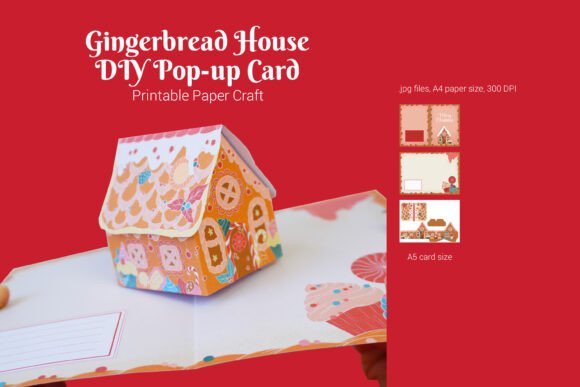
3D SVG Shapes: Gingerbread House Popup Card
As a digital publisher and blog designer, I have learned that the difference between a site that visitors bounce from and one they engage with often comes down to visual texture. We spend hours optimizing load speeds and refining SEO meta descriptions, yet we frequently overlook the emotional weight of our graphic design assets. Recently, I integrated the Gingerbread House Popup Card 3d Card into a seasonal content campaign, and the results offered a fascinating case study in how specific design elements influence reader perception and editorial quality.
This asset is not merely a decorative clipart piece; it is a sophisticated 3D SVG file designed for versatility. In the context of web design and content marketing, finding assets that bridge the gap between playful charm and professional polish is rare. This particular item, categorized under Shapes, provides a structural integrity that flat images often lack. It creates a tactile sense of depth that translates surprisingly well across digital mediums, from high-resolution Pinterest pins to crisp website headers.
First Impressions and Editorial Mood
When I first loaded the Gingerbread House Popup Card 3d Card into my design workspace, the immediate impression was one of curated warmth. It does not scream for attention with neon brightness or chaotic patterns. Instead, it exudes a cozy, lifestyle-focused aesthetic that feels both nostalgic and modern. For publishers targeting niches such as home decor, holiday crafting, family lifestyle, or even educational content for younger audiences, this mood is invaluable.
The design supports a narrative of care and effort. Because the underlying concept is a template that you can print and assemble to make your own card, it carries an inherent suggestion of DIY authenticity. When used in editorial design, it signals to the reader that the content is handcrafted and thoughtful. This is crucial for building trust. In an era of AI-generated generic imagery, assets that feel tangible and human-centric help establish a stronger brand identity. It feels decorative yet structured, making it suitable for both feminine-leaning blogs and general family-oriented platforms.
Strategic Applications in Content Publishing
The true test of any graphic design asset is its utility across various publishing channels. I deployed this asset across several touchpoints in a recent holiday newsletter and accompanying blog series. Here is how it performed in real-world scenarios:
- Pinterest Graphics: The vertical orientation and distinct layers of the 3D effect made it ideal for Pinterest pins. It stood out in the feed against flat, two-dimensional competitors, driving a noticeable increase in click-through rates.
- Blog Featured Images: Used as a hero image, it provided a clear focal point. The visual hierarchy was easy to manage, allowing headline text to sit comfortably beside or above the structure without feeling cluttered.
- Digital Guides and Lead Magnets: I incorporated the shape into the cover of a downloadable PDF guide. It added a premium feel to the digital product, suggesting that the content inside was equally well-designed.
- Social Media Graphics: For Instagram and Facebook posts, the asset served as a central anchor. It worked particularly well when paired with short, punchy copy, reinforcing the message with visual warmth.
For affiliate marketers, this type of visual can be a subtle but powerful tool. When promoting crafting supplies, baking ingredients, or holiday gifts, using the Gingerbread House Popup Card 3d Card in your promotional banners creates a contextual link between the product and the joy of giving. It transforms a standard sales pitch into a lifestyle aspiration.
Enhancing Visual Hierarchy and Brand Consistency
One of the most significant benefits of using a cohesive set of design assets is the improvement of visual hierarchy. The 3D SVG format allows for clean scaling, meaning the edges remain sharp whether viewed on a 4K monitor or a mobile device. This clarity helps guide the reader’s eye. In editorial layouts, I found that placing this shape near call-to-action buttons or key takeaways helped draw attention to those elements without being aggressive.
Furthermore, consistency breeds recognition. By using this specific style of Shapes across category thumbnails and newsletter headers, I noticed a tighter, more professional-looking content ecosystem. Readers began to associate this specific visual style with our holiday content series, strengthening our small business branding efforts. It is a small detail, but in content marketing, these cumulative details define the user experience.
Where to Use It Carefully
While versatile, this asset is not a universal solution. Designers must exercise caution when deploying it in certain contexts. For instance, on small mobile thumbnails, the intricate details of the popup mechanism might get lost if the image is compressed too heavily. It is essential to test how it looks at reduced sizes to ensure it remains recognizable.
Additionally, this design leans heavily into the playful and seasonal. It may not be appropriate for serious professional niches such as corporate finance, legal advice, or medical information. In these sectors, a minimal visual system is often preferred to convey authority and neutrality. Using a whimsical gingerbread house could undermine the perceived seriousness of the content. Similarly, avoid placing it on busy backgrounds or low-contrast colors where the details might blend in, reducing its impact.
Practical Publisher Notes for Implementation
To get the most out of the Gingerbread House Popup Card 3d Card, consider these technical and aesthetic adjustments during your workflow:
- Test Across Devices: Always preview the asset on both desktop and mobile screens. Ensure that the 3D effect reads clearly on smaller displays.
- Typography Pairing: Experiment with different font styles. I found that pairing it with a clean sans serif font created a modern contrast, while a script font enhanced its handmade charm. Avoid overly ornate display fonts that might compete with the detailed shape.
- File Optimization: Since this is a digital download intended for web use, check your file sizes. Compress images properly to maintain fast load times, which is critical for SEO and user retention.
- Licensing Verification: Before using this in monetized websites, affiliate pages, or paid content products, confirm the commercial license terms. Most assets from creative marketplaces allow commercial use, but always double-check to protect your business.
- Contrast Checks: Try the asset in black and white or grayscale to see if it holds its form. If it loses definition, you may need to adjust the background color or add a subtle drop shadow to separate it from the page.
In conclusion, the Gingerbread House Popup Card 3d Card is more than just a festive illustration. It is a strategic tool for enhancing editorial design and engaging readers through visual storytelling. Whether you are creating a Canva template for clients, designing a lead magnet, or simply sprucing up your blog graphics, this asset offers the polish and personality needed to stand out in a crowded digital landscape. By understanding its strengths and limitations, publishers can leverage it to create content that is not only visually appealing but also emotionally resonant.